What Is An Air Fryer?
With health consciousness becoming the norm, air fryers are certainly getting a lot of buzz as of late. Both the name and the marketing surrounding these devices conjure an image of some magical technology that can somehow create the crispy deep-fried foods we all love — without using an excessive amount of oil.
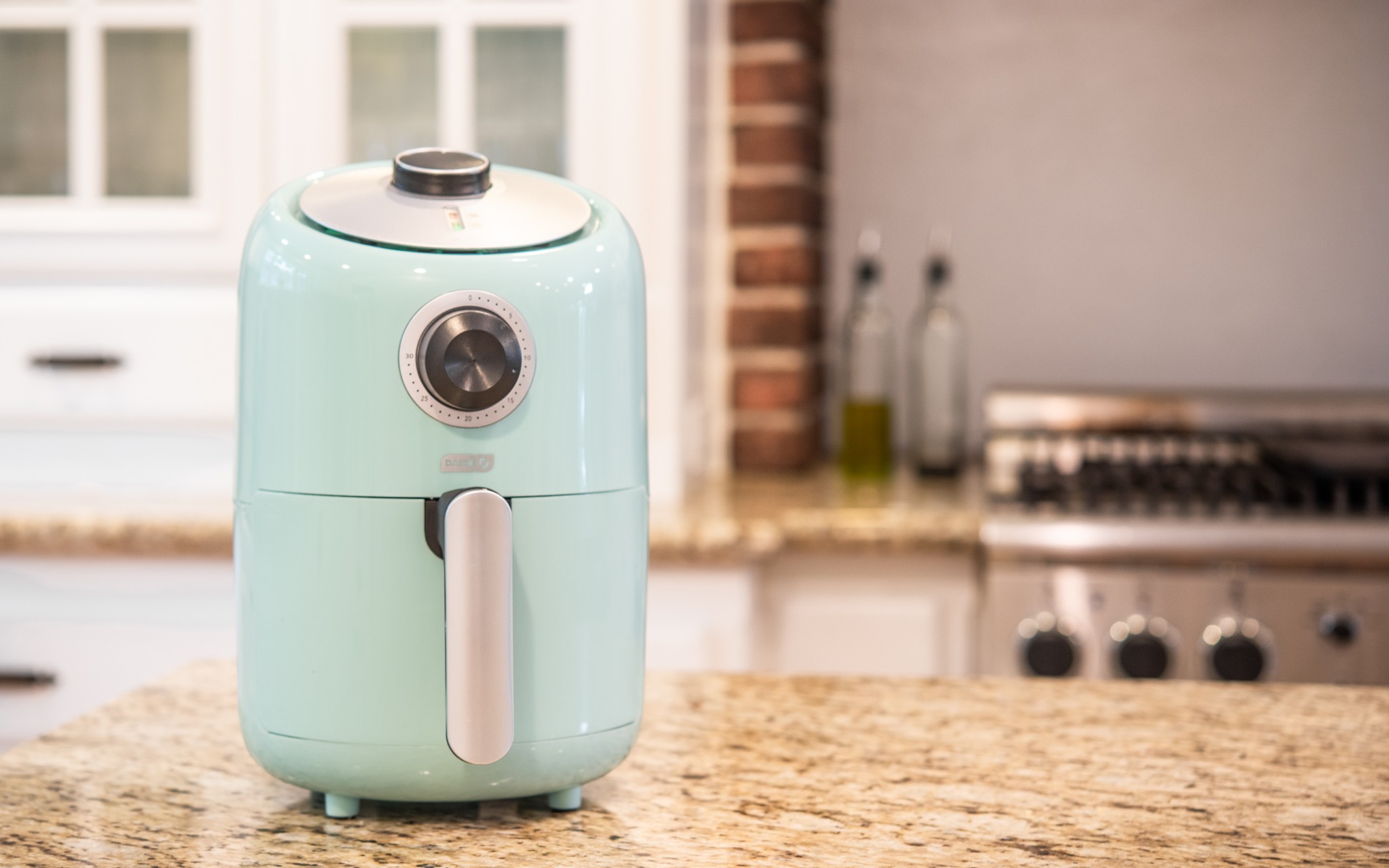
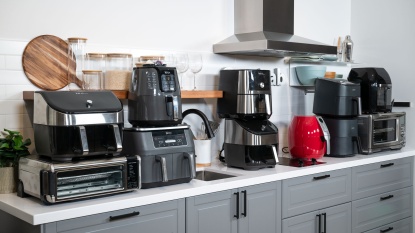
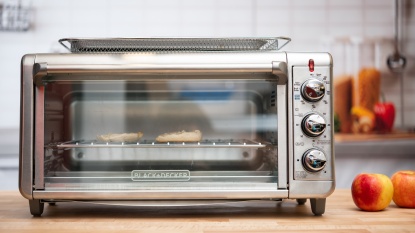
So what exactly is an air fryer? Essentially it is just a small, very efficient convection oven. The goal is to give foods a delicious and crispy texture by actively circulating hot air over the food instead of drenching it in piping hot oil. Can these devices deliver on that goal? Well…
Does Air-Fried food Taste Like Deep-Fried?
No. Sorry if we burst any bubbles, but we figured we'd just rip that bandaid right off. There is almost a 0% chance that an air fryer is going to be able to truly replicate the experience of your favorite deep-fried food. However, the best air fryers can get a good crisp on certain types of food that might satisfy your craving for their deep-fried counterparts.
Air Frying Strengths
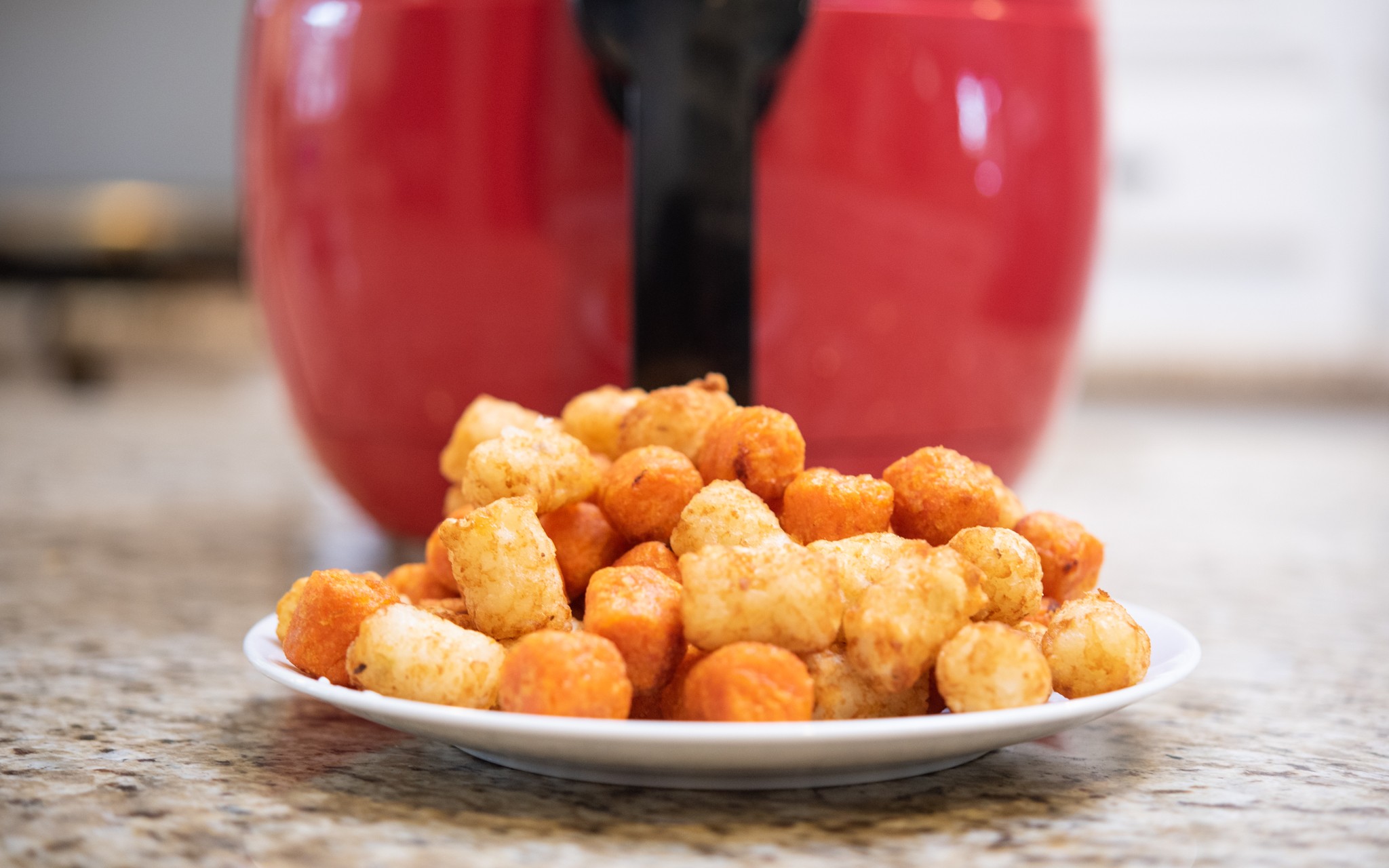
So what do these machines do well? In our tests, we found that they excel at creating quite delectable onion rings and can heat up frozen tater tots much better than a conventional oven. They offer the unique opportunity to make some decent doughnuts without deep frying as well. Again, none of these foods will taste like deep-fried fare, but in general, we found that air-fryers could create a reasonable enough facsimile that our taste buds were satisfied.

Air Frying Weaknesses
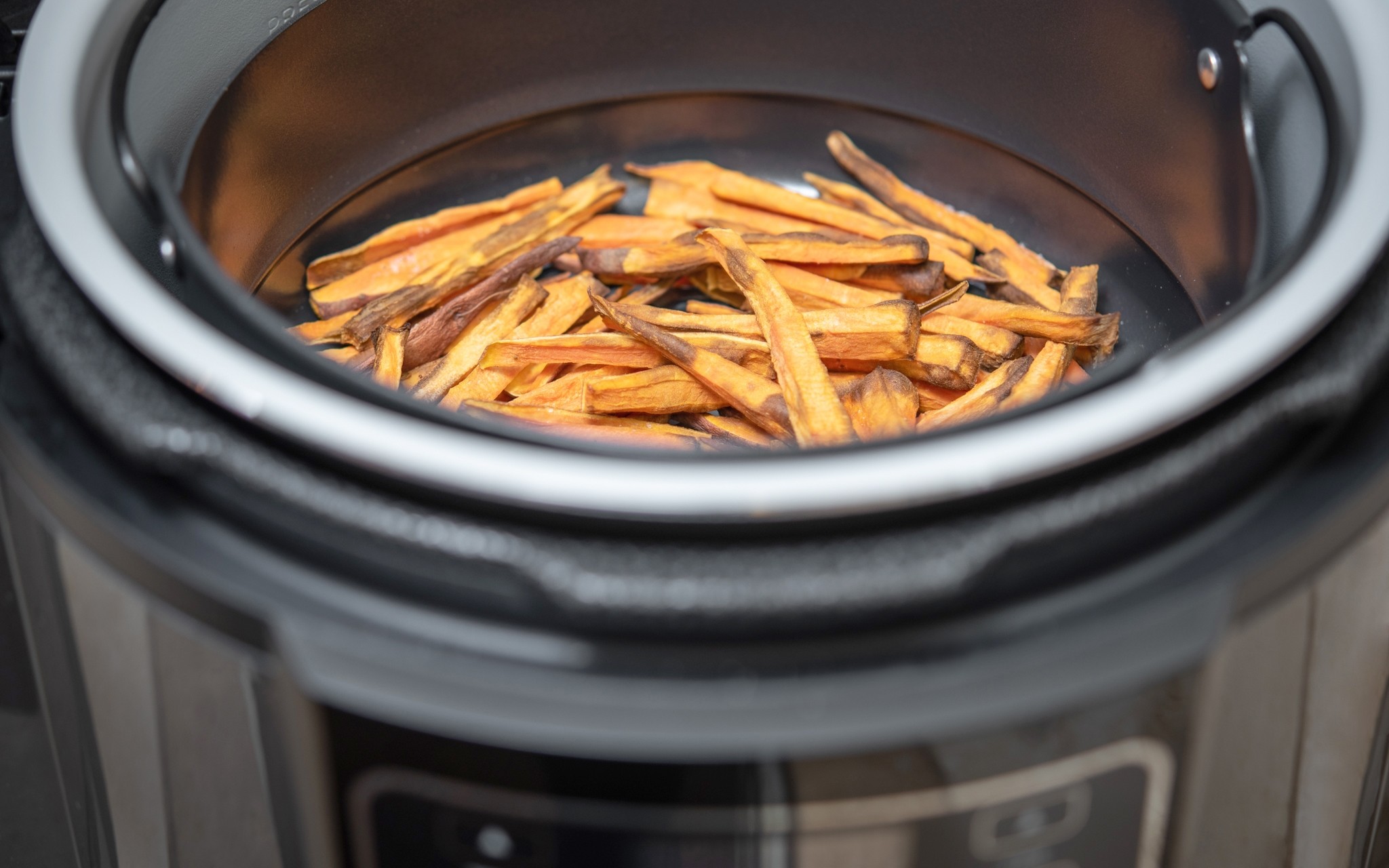
The biggest weakness we've found with air fryers is that they mostly fail to create a truly crispy french fry. While we did eat some sweet potato fries made with air fryers that we enjoyed, none of them really got anywhere close to mimicking a traditional french fry. So if you're mostly looking at air fryers to help wean yourself off a french fry addiction, know that you'll undoubtedly have to make some significant sacrifices in texture.
Do I Need An Air Fryer?
Honestly, we think the answer to that question will be no for most people. But you might find you use it more often than you think if you have one lying around. If you find yourself constantly using the convection setting on your oven or just have an obsession with onion rings, then an air fryer may add some speed, convenience, and a bit less oil usage to your cooking routine.
Choosing the Right Air Fryer
If you've made it through all that background info and still feel like an air fryer would be a valuable addition to your kitchen, we put together a step-by-step decision guide for finding the best one for your needs.
Step 1: Consider Cooking Performance and Strengths
Obviously, you'll want to consider overall frying performance when you're choosing one of these devices, and you can use the scores in the cooking metric of our main review as a guide to overall cooking performance.
Possibly more important than overall cooking performance, you'll want to pay attention to the specific strengths and weaknesses of each machine. For example, while almost every device we tested was able to make onion rings to at least an acceptable standard, performance in cooking chicken varied much more widely. You'll want to make sure that the fryer you choose can handle cooking your favorite dishes. If you are hoping to make some crispy chicken with a moist center, make sure you pay special attention to our cooking performance metric.
Step 2: What Size Do You Need?
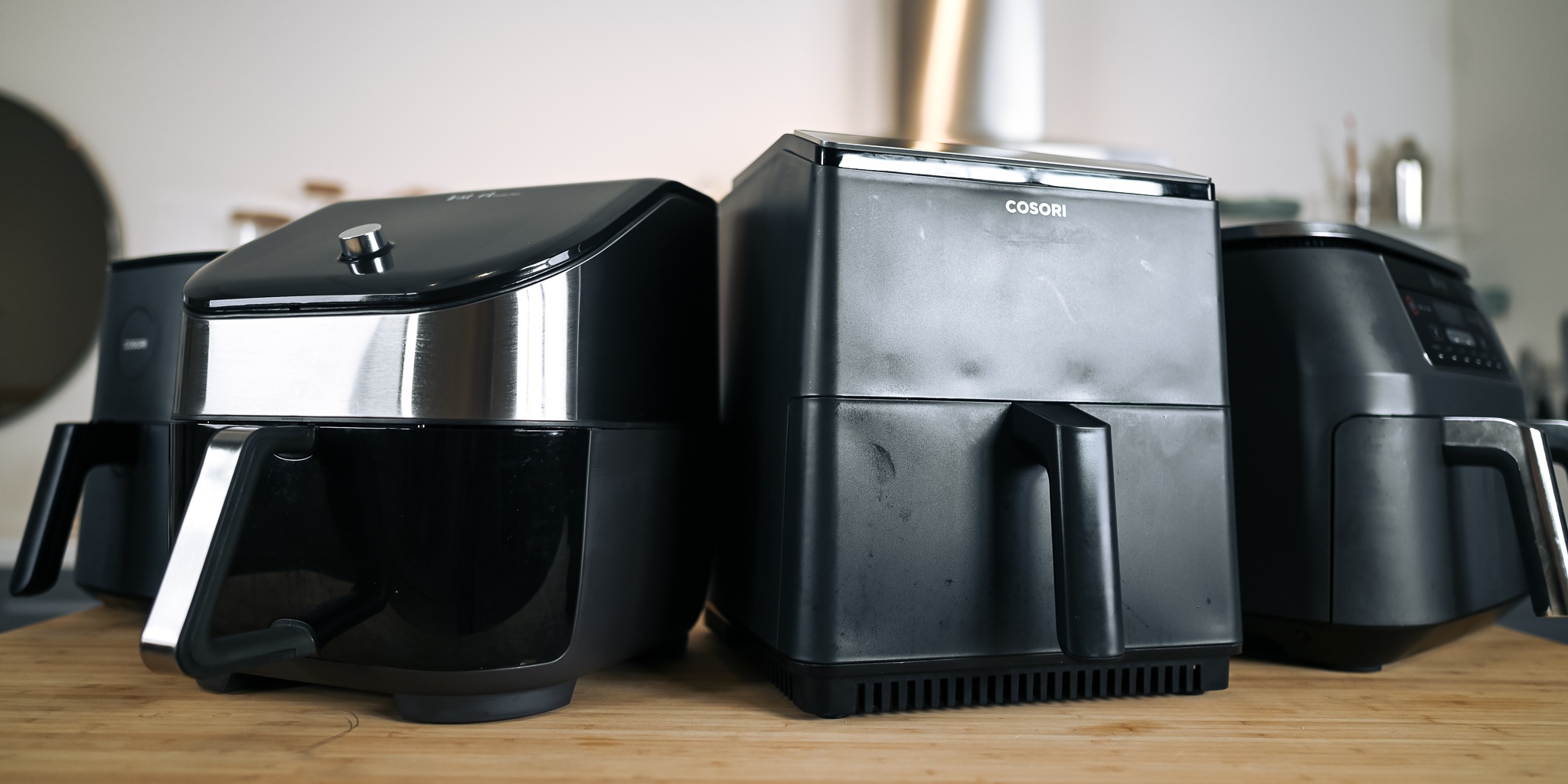
Most personal air fryers range in size from about one to eight quarts, with the volume measurement corresponding to the capacity of the actual frying basket where the food is cooked. In general, anything two quarts and below is limited to cooking for one, or just making a side dish for a larger meal. The 3-5 quart range will be the Goldilocks zone for most, as these models can generally cook enough for two people or handle aside for a large family. Anything north of five quarts will likely handle creating a main dish for a family of four or more.
Step 3: Consider Ease of Use and Cleaning
One of the main reasons to get a dedicated air fryer is that they can both cook more quickly and offer easier cleanup than using the convection setting of a traditional or toaster oven. If your air fryer is a total pain to clean, it negates one of the big benefits you get from using one. Ideally, you want a fryer with a basket that can easily be removed with one hand (lots of recipes require shaking the food midway through, so being able to do this one-handed is a huge plus). A model with a clear interface is always preferred, as is one that has a fry basket where there aren't too many crevices that grease can hide and build up. You can utilize our user-friendliness and ease of cleaning scores to compare each model's relative strengths and weaknesses in these areas.
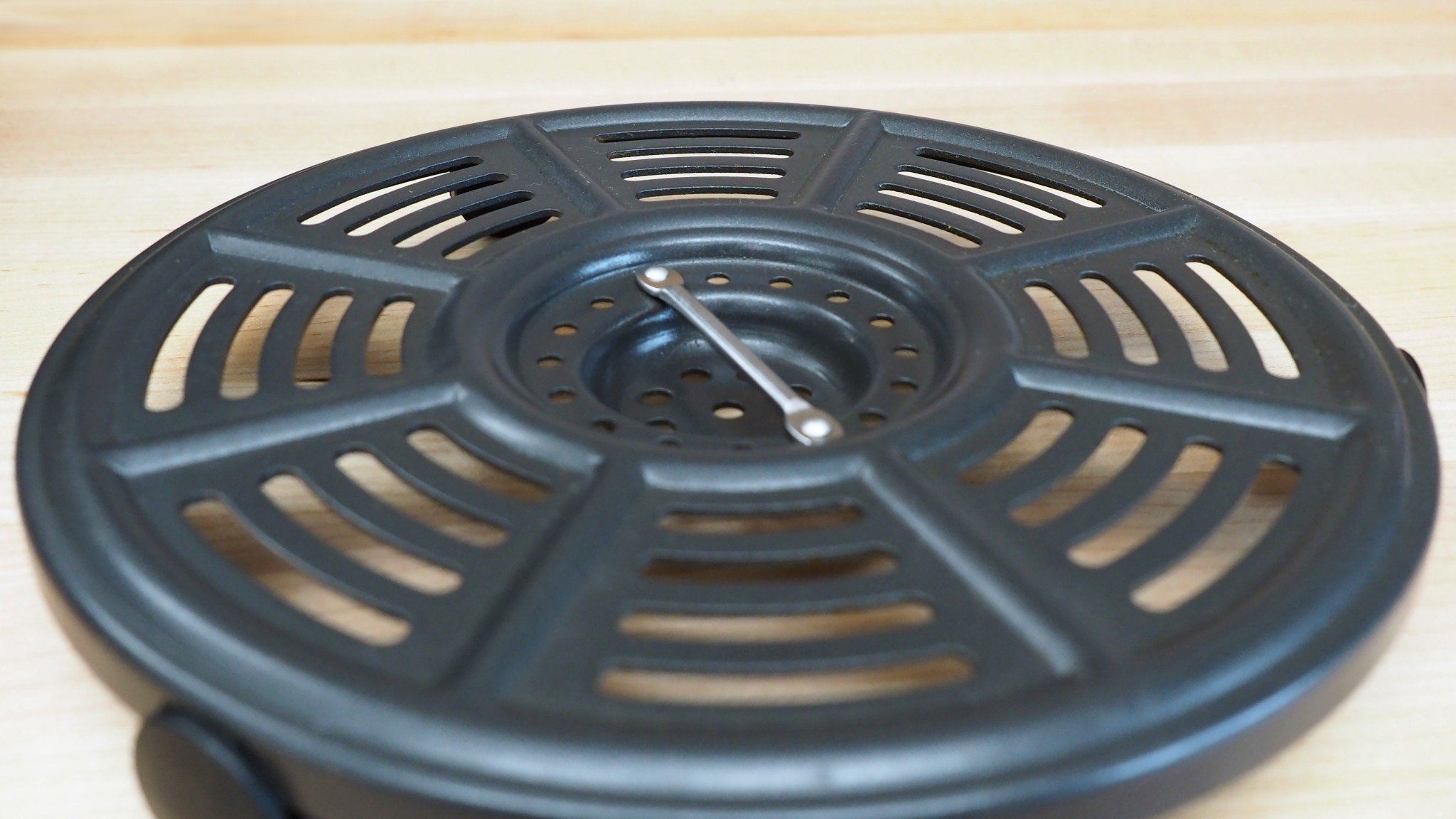
The majority of fry baskets are top-shelf dishwasher safe. That being said, some of these baskets are very big. Unless you're using a small, less than two-quart model, those baskets can hog a lot of the top rack. If you're looking into a dedicated air fryer, you'll likely want to use it multiple times per week. Thus you probably don't want to run your dishwasher every time you use your air fryer, and will likely end up washing it by hand at least some of the time. Accordingly, our ease of cleaning scores focuses on how difficult it is to wash each model by hand.
Step 4: Is Temperature Accuracy Important for You?
While there isn't a direct correlation between temperature accuracy and cooking performance (some models that performed poorly in our temperature accuracy tests did quite well in our cooking tests), there is a correlation between temperature accuracy and consistency.
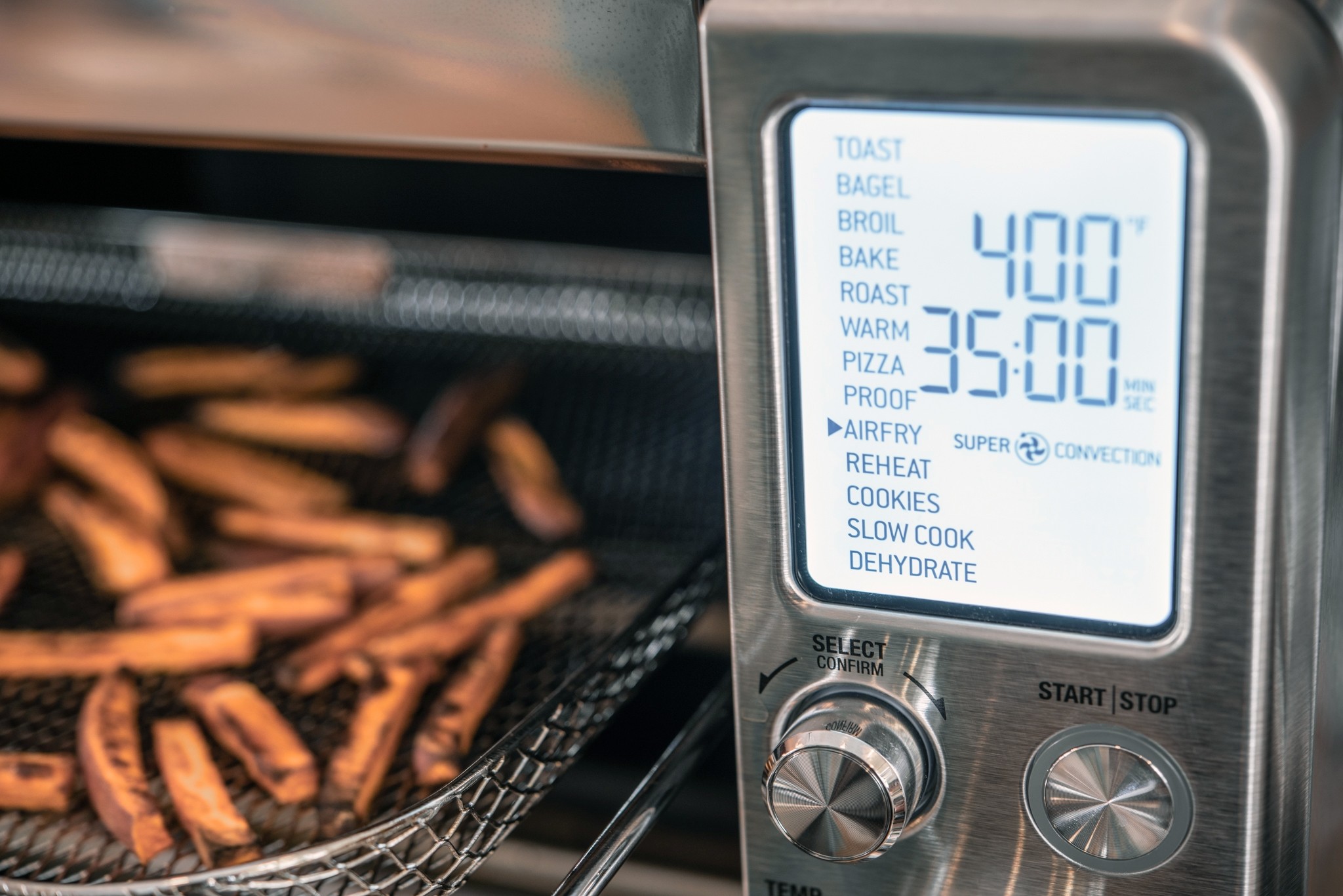
If you're planning to stick to a few specific recipes, and don't mind if one batch of onion rings comes out slightly more golden brown than another, then you probably don't have to pay too much attention to temperature accuracy. However, if you're one that likes to tweak recipes or experiment with creations of your own, better temperature accuracy is definitely going to make for a better experience. This is mostly because when tinkering with a recipe, it's vital to know that the changes in the cooked food resulted from your adjustments, not simply because the air fryer decided to run 15˚ hotter on that go-around.
Conclusion
While we don't think an air fryer is a vital kitchen appliance that everyone needs to run out and buy, we think there are some specific situations where one of these devices can greatly improve the cooking experience. We hope that this guide has helped you decide whether your cooking style or needs would jive well with an air fryer, and if so, which one is right for you.