
REASONS TO BUY
Great value
Solid drilling and driving performance
REASONS TO AVOID
So-so battery life
Could be more convenient

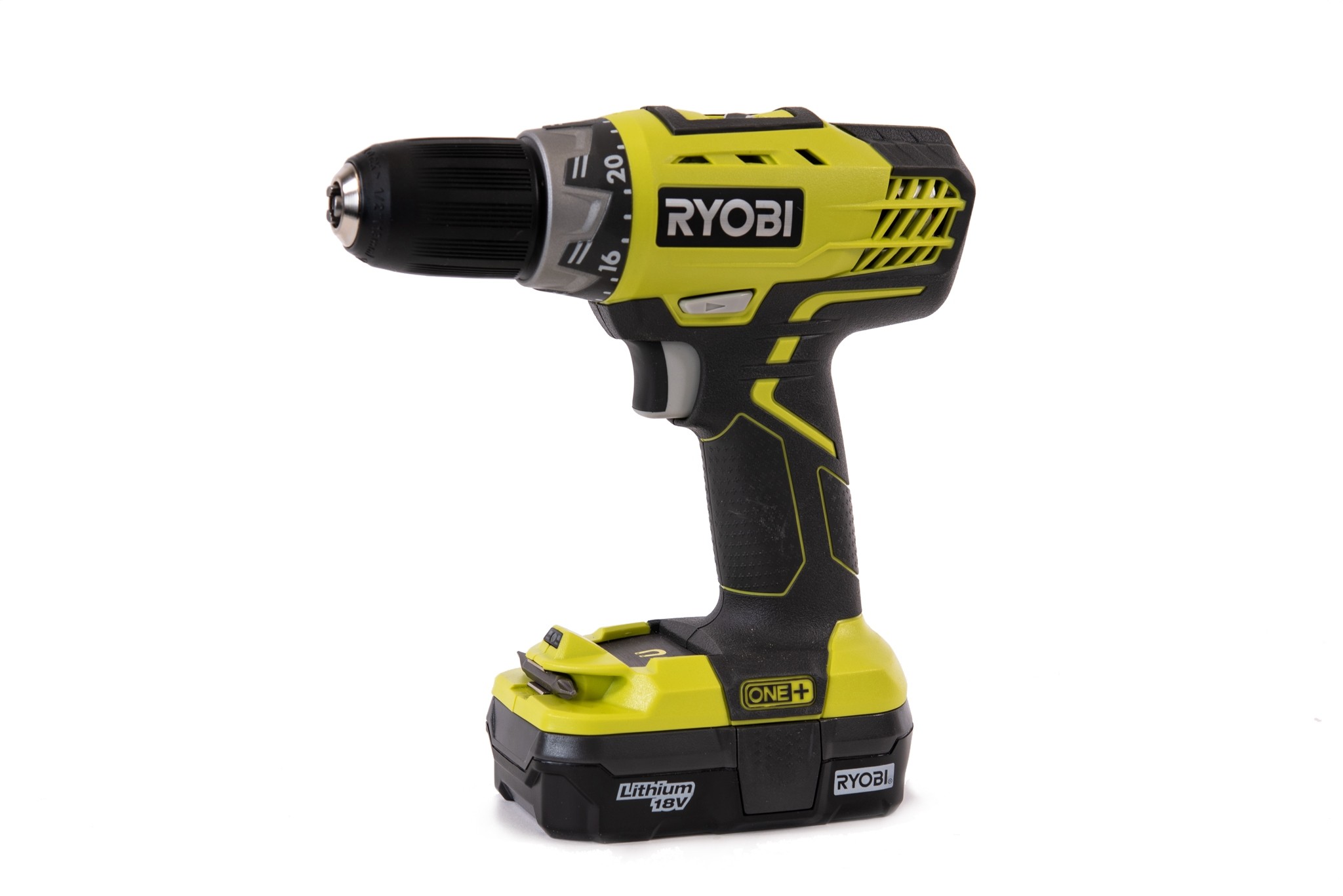
The Ryobi finished roughly in the middle of the pack overall, just ahead of the Bosch GSR18V and behind the Ridgid R86009K. Both the Bosch and the Ridgid cost quite a bit more than the Ryobi and both did do slightly better in the drilling tests. However, both the Ridgid and the Ryobi did about the same in the driving test, slightly outperforming the Bosch. The Ridgid did have an above average showing in our battery tests — better than both the Bosch and the Ryobi — and the Ryobi did score the worst of this trio when it came to convenience features.
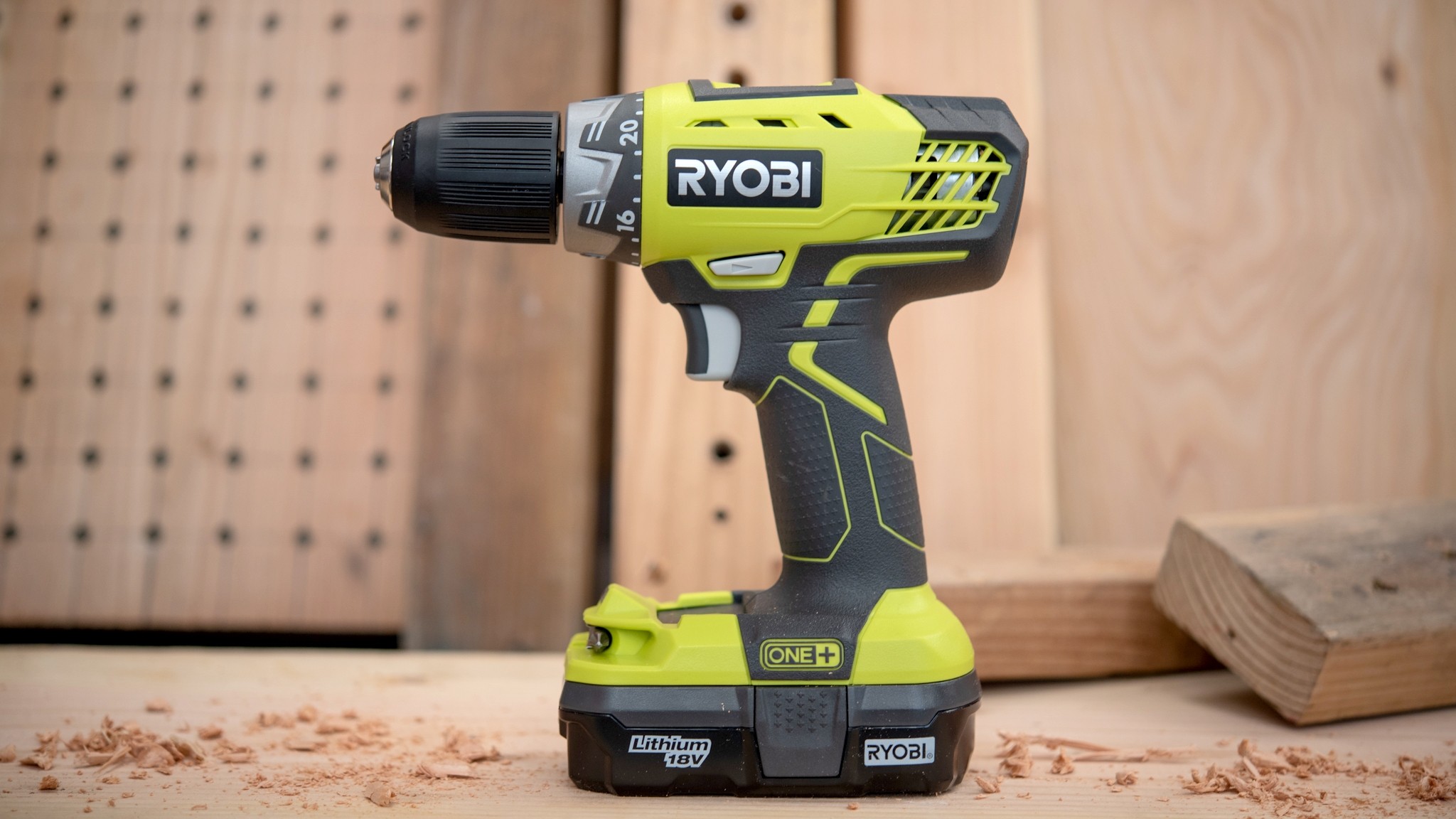
In our crusade to find the best cordless drill of them all, we compared the specs of dozens and dozens of models, then bought all the most promising to test out head-to-head and see for ourselves which tool tops them all. We broke our testing process into four weighted rating metrics, with the Ryobi P252's results broken down below.
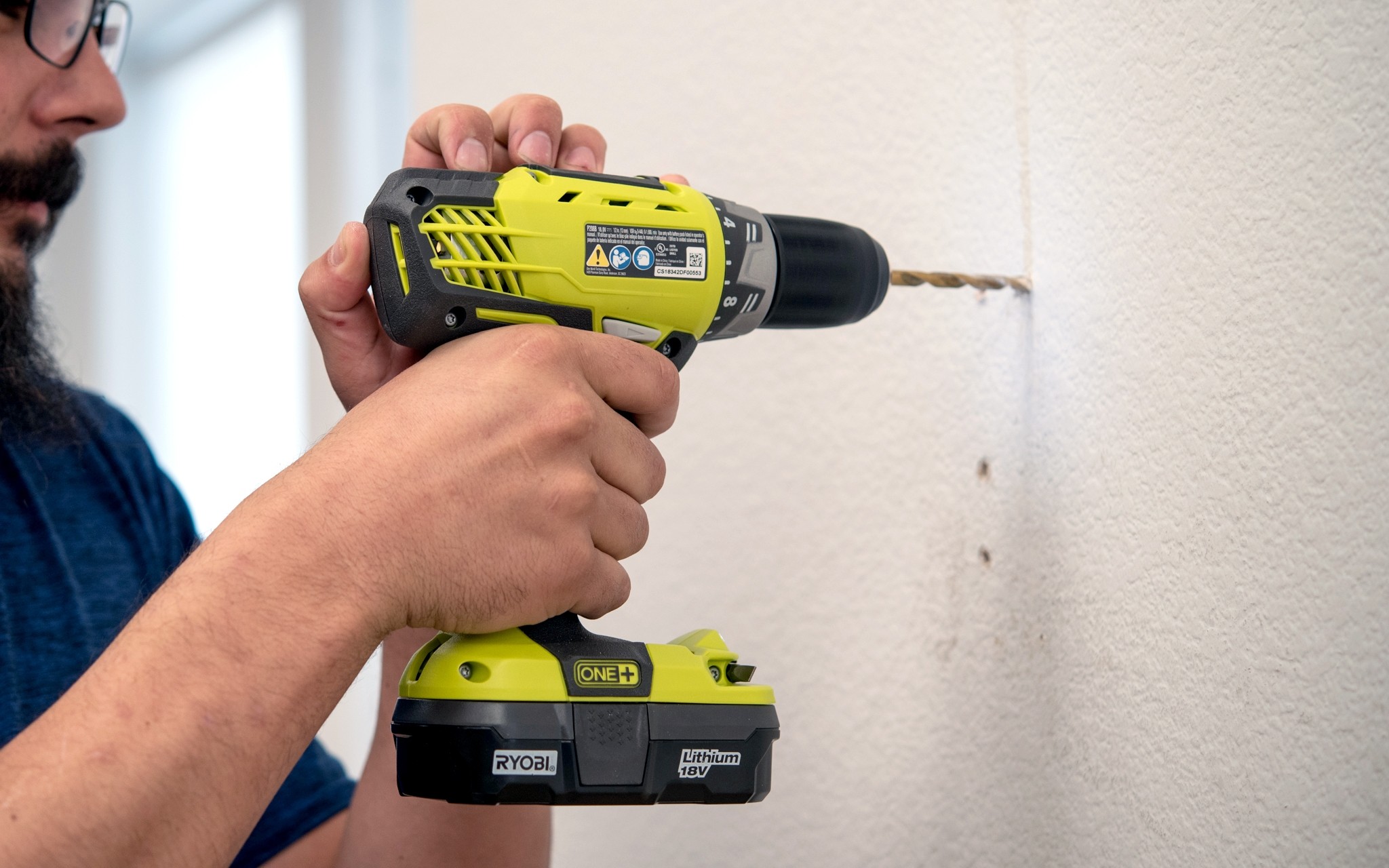
The first task that comes to mind when thinking of these products for most people, the Ryobi's performance when it comes to drilling holes accounts for 35% of the total score. We rated and scored this drill's performance at drilling through wood and steel, using a variety of different bits. The P252 did quite well overall, but did struggle a bit with some of the more difficult tasks, earning it a 7 out of 10.
Starting off, we evaluated and scored the performance of the Ryobi when it came to drilling a hole with a 1" paddle bit. We drilled multiple holes in a 2x12 to see if the P252 can handle it. It did pretty well, but it definitely struggled when we tried in its higher torque gear ratio. It wasn't the fastest by any means, but it wasn't unbearably slow. We could definitely tell that it wasn't as powerful as the top drills!
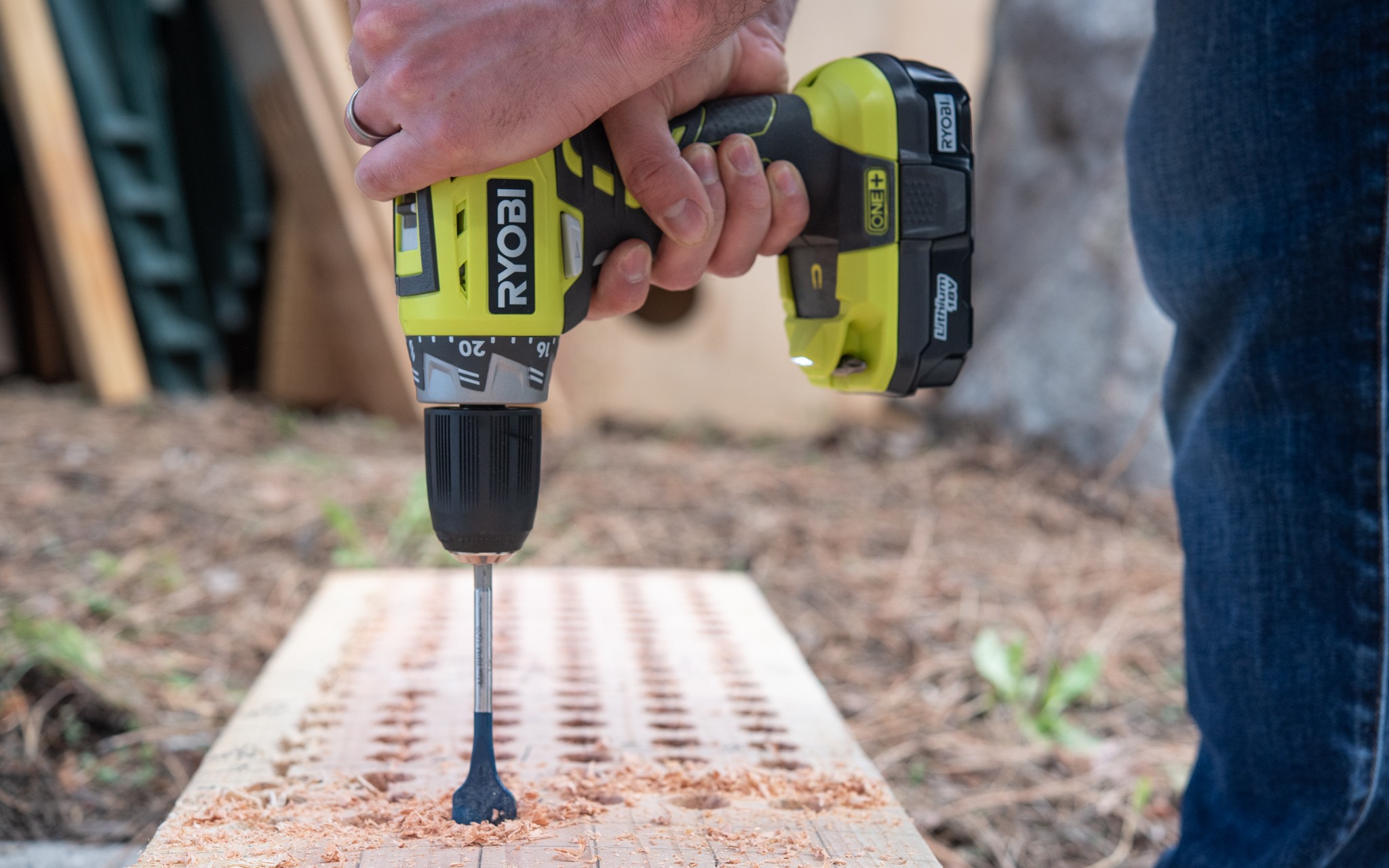
The P252 did a little better in our next two assessments: drilling through a steel plate with a ¼" and ½" twist drills. It didn't struggle at all with the ¼" drill, punching through the 16 ga. steel sheet in about two seconds. However, it was a bit of a different story with the ½" drill. The drill did catch right towards the end and stall, unable to finish drilling the hole until we shifted to the lower gear. It took about 10 seconds in total to make it through — not as fast or as graceful as the top-tier drills — but it got the job done.
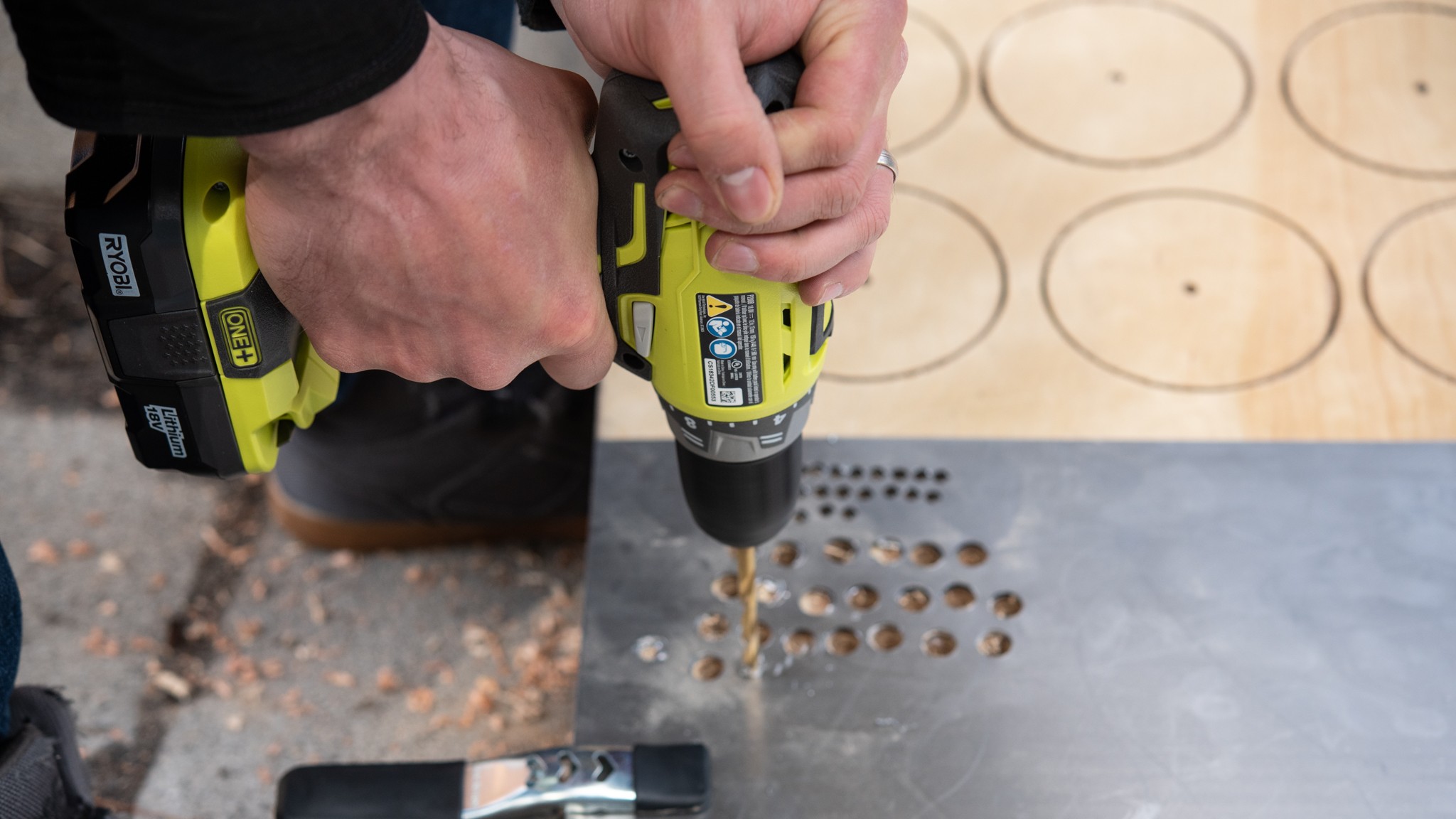
For the final test of this metric, we used the Ryobi to drill a 5" hole through a solid door with a hole saw. It did surprisingly well, finishing with a strong performance.
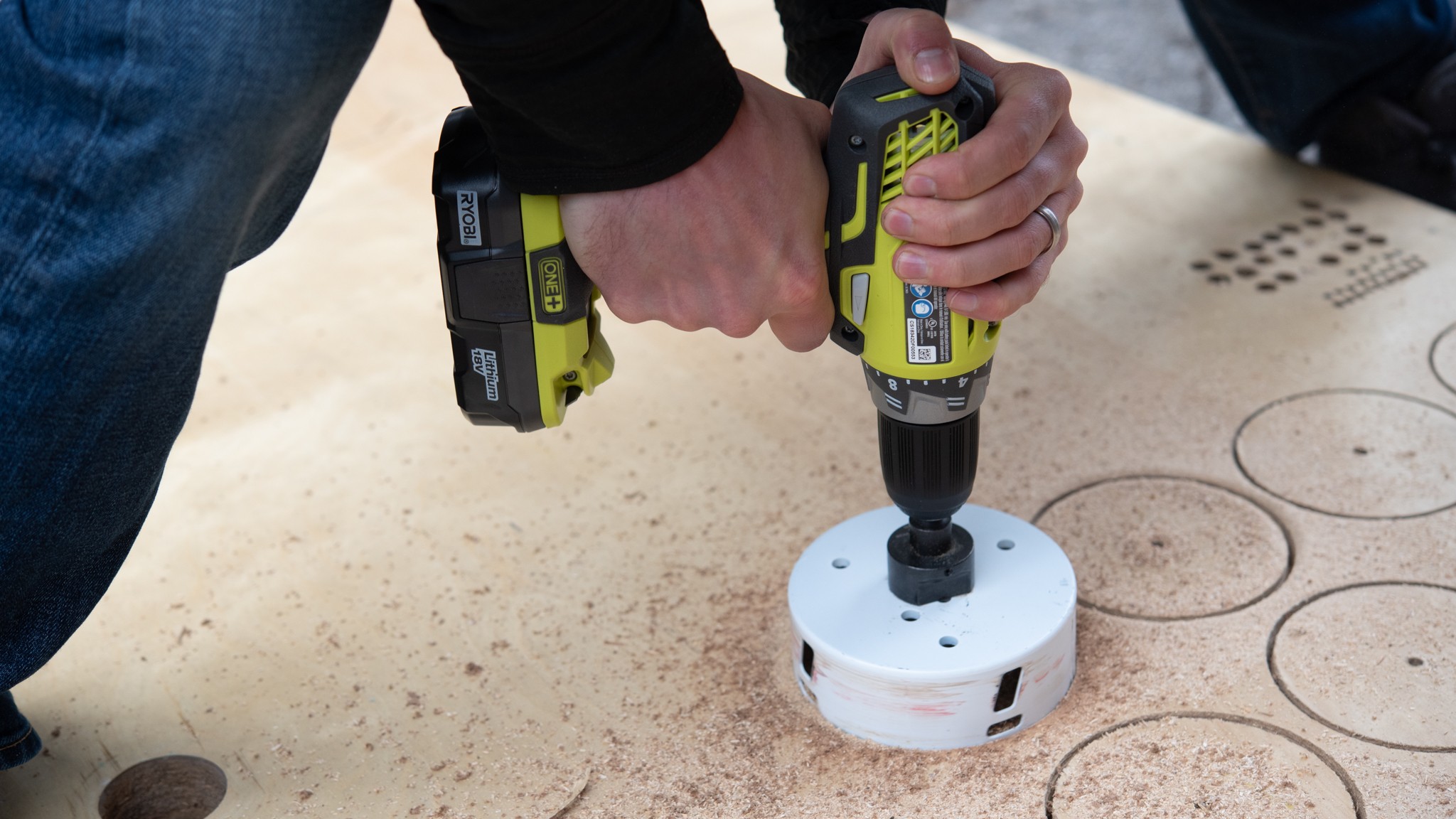
The P252 wasn't the fastest by any means, taking just less than a minute to make it to the full depth, but it didn't appear to be overly struggling by any means until right towards the end.
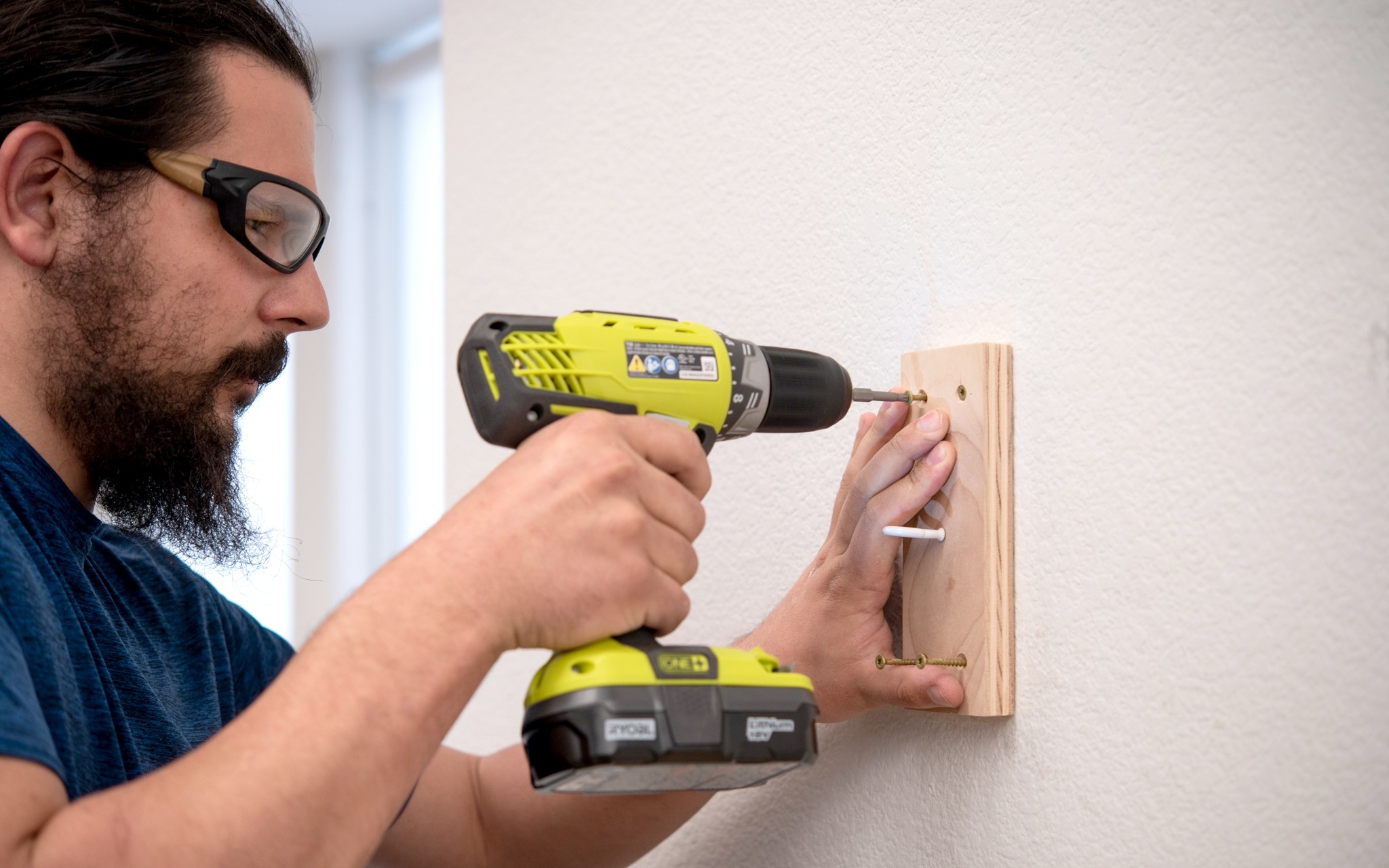
Next, we moved on to evaluating and comparing how the Ryobi did at driving in various fasteners. This is another extremely common task for cordless drills and also accounts for 35% of the final score for each product. To determine scores, we looked at how well each tool did at driving in standard fasteners, as well as how it handled larger and more difficult to drive ones. The Ryobi delivered another good showing — particularly for a budget option — earning it a 7 out of 10.
The Ryobi handled standard fasteners with almost no issues at all, easily driving in and fully setting the heads of hundreds of wood screws in our tests. It never locked up when sinking screws into a 2x12 and allows you to set the countersunk head of each screw in a gentle and controlled way, even if you stop the drill with the screw short and need to restart to get it flush. It wasn't the fastest at this task but it never faltered either.
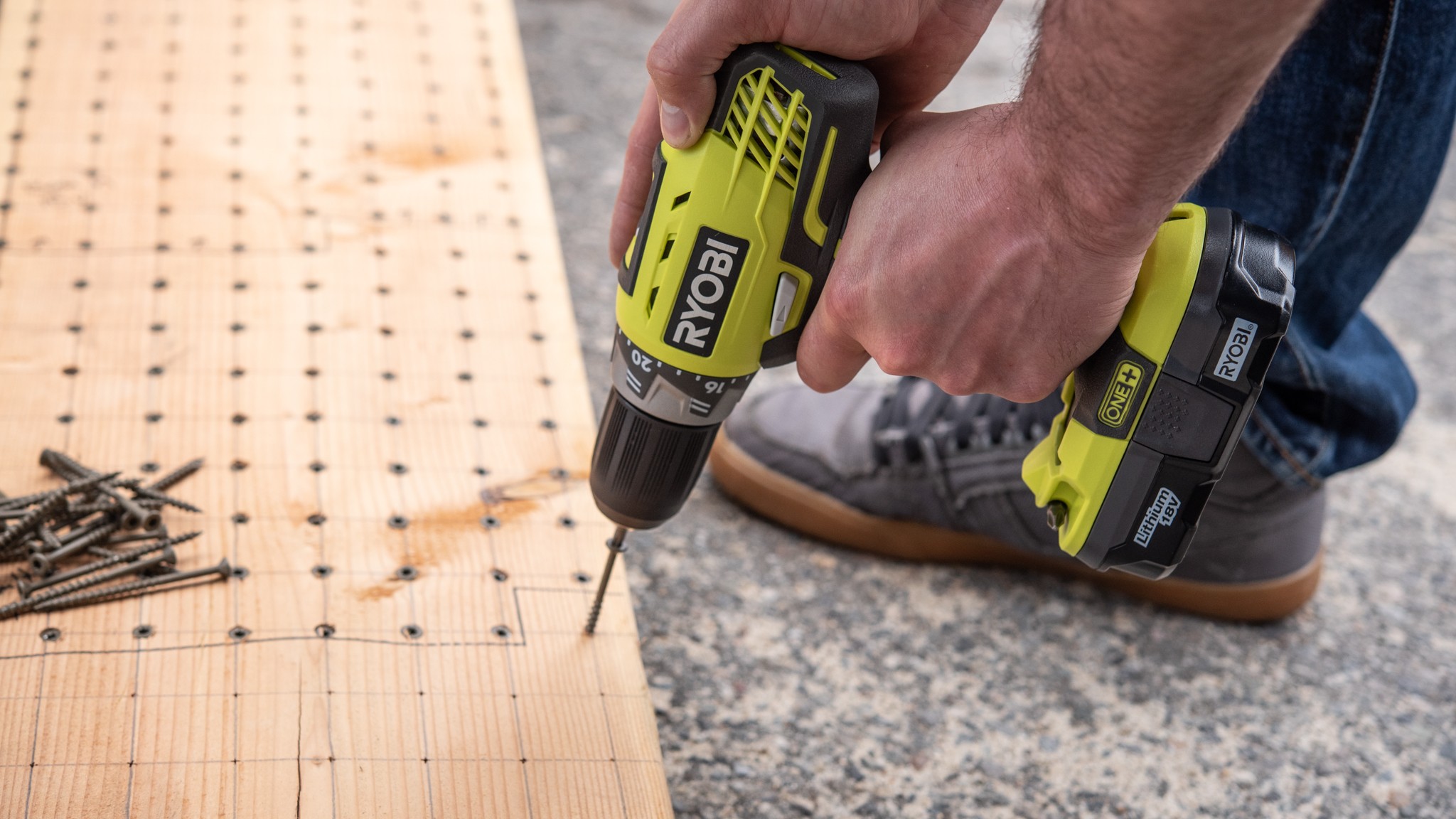
However, the Ryobi P252 couldn't handle our harder driving test — a 5" long, ½" diameter lag bolt — with quite the same finesse.
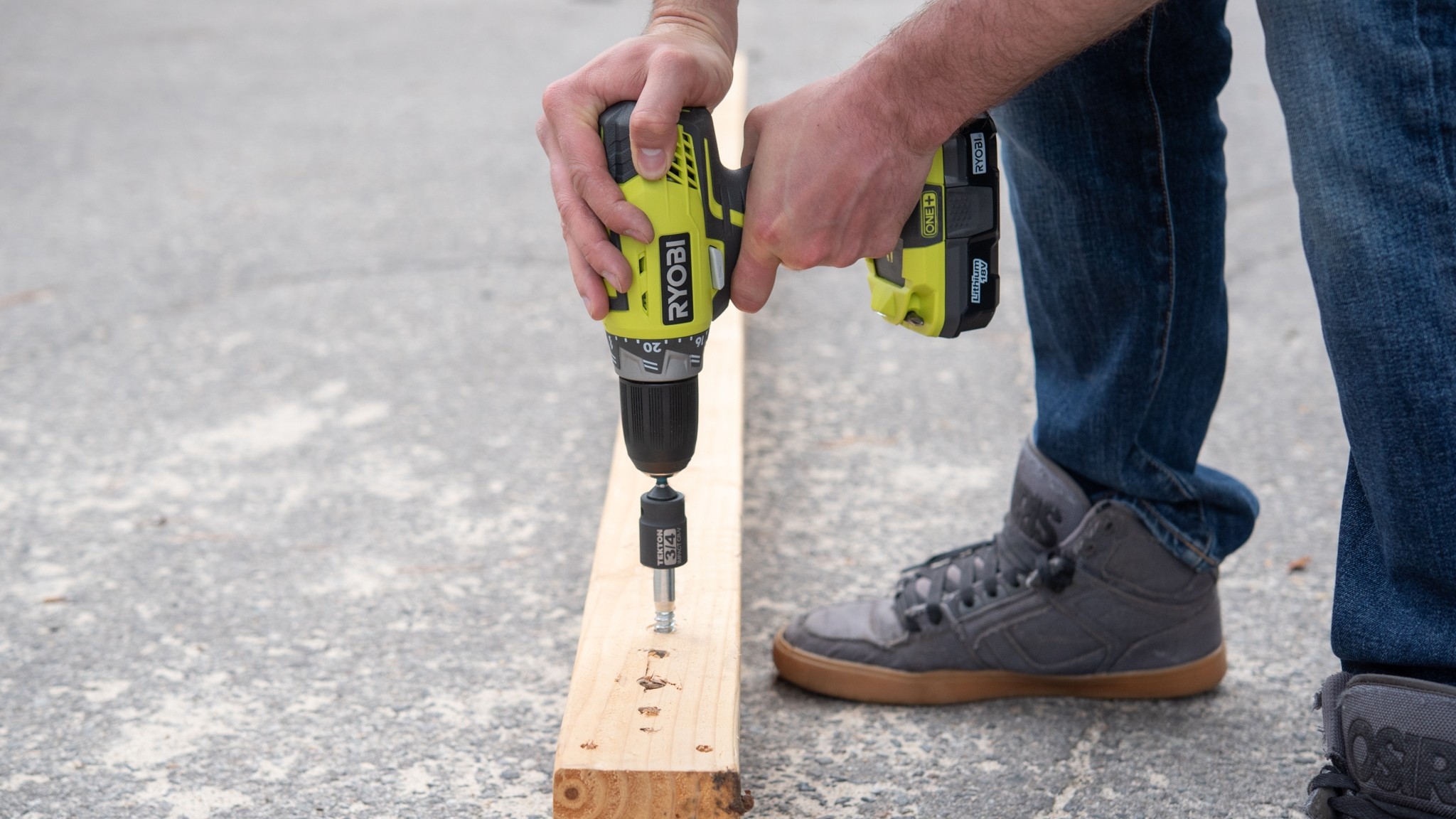
It stalled out fairly frequently and didn't have the most driving force by far, but we were eventually able to drive the screw to its full depth with enough coaxing.
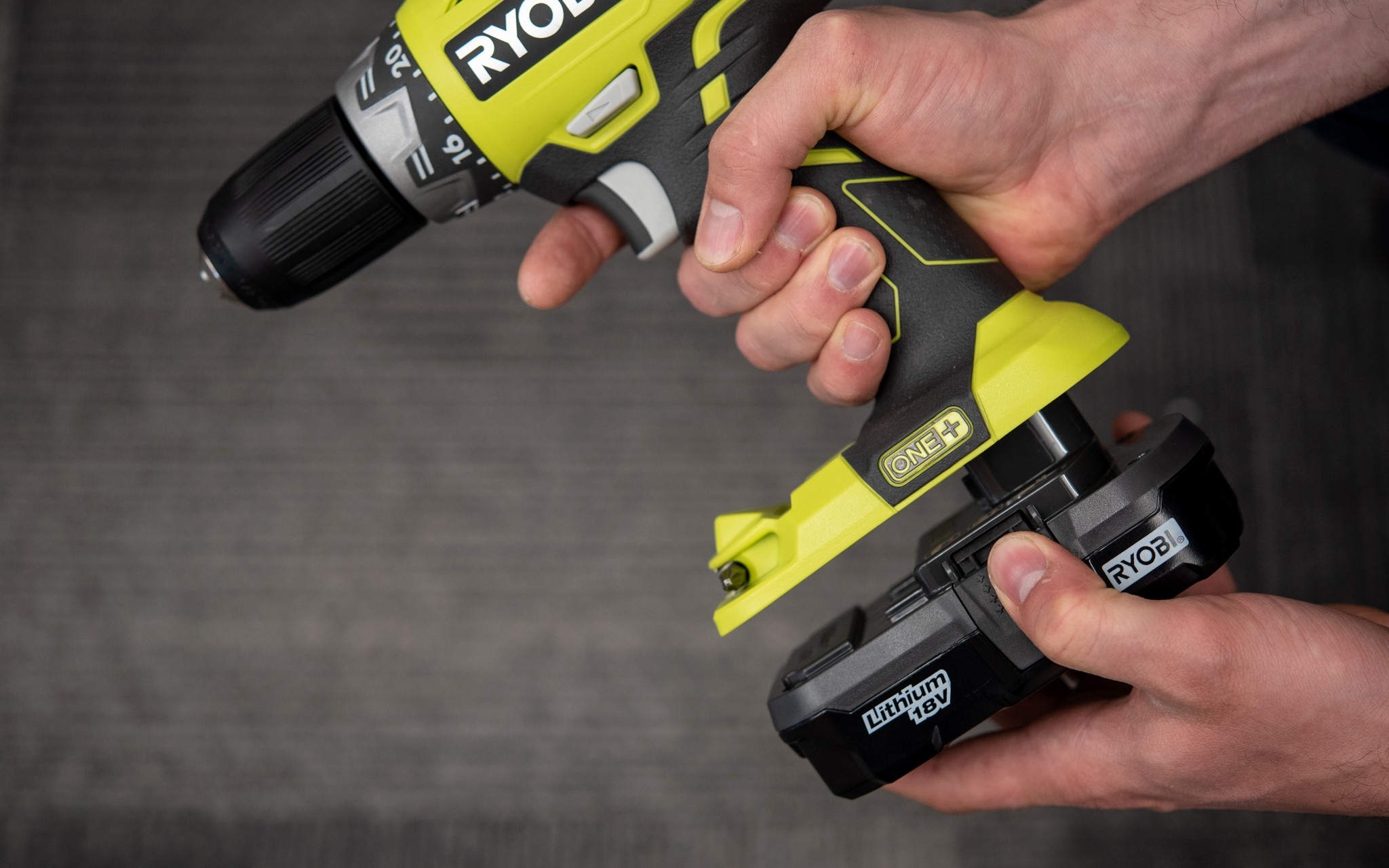
Following its screw driving capabilities, we moved on to evaluating and scoring how the Ryobi's included batteries stacked up against the rest of the pack, which accounts for 20% of its final scores. We mainly looked at the battery life of each tool for this metric, but we also took into account the recharge time and the number of included batteries. The P252 did decently well, earning a 5 out of 10.
To test out the runtime with the included battery, we alternated between drilling three holes with a 1" paddle bit and driving 16 screws into a 2x12, then awarded points based on the number of cycles each drill could do before a fully charged battery was depleted. The Ryobi has a 1.3 Ah battery, so it was at a bit of a disadvantage for this test compared to the top models and finished just short of five full cycles before the battery gave out — much less than the 7-10 of the top models.
However, it did earn some points by charging quite quickly, taking only 56 minutes to completely fill up a dead battery, and by including an extra battery.
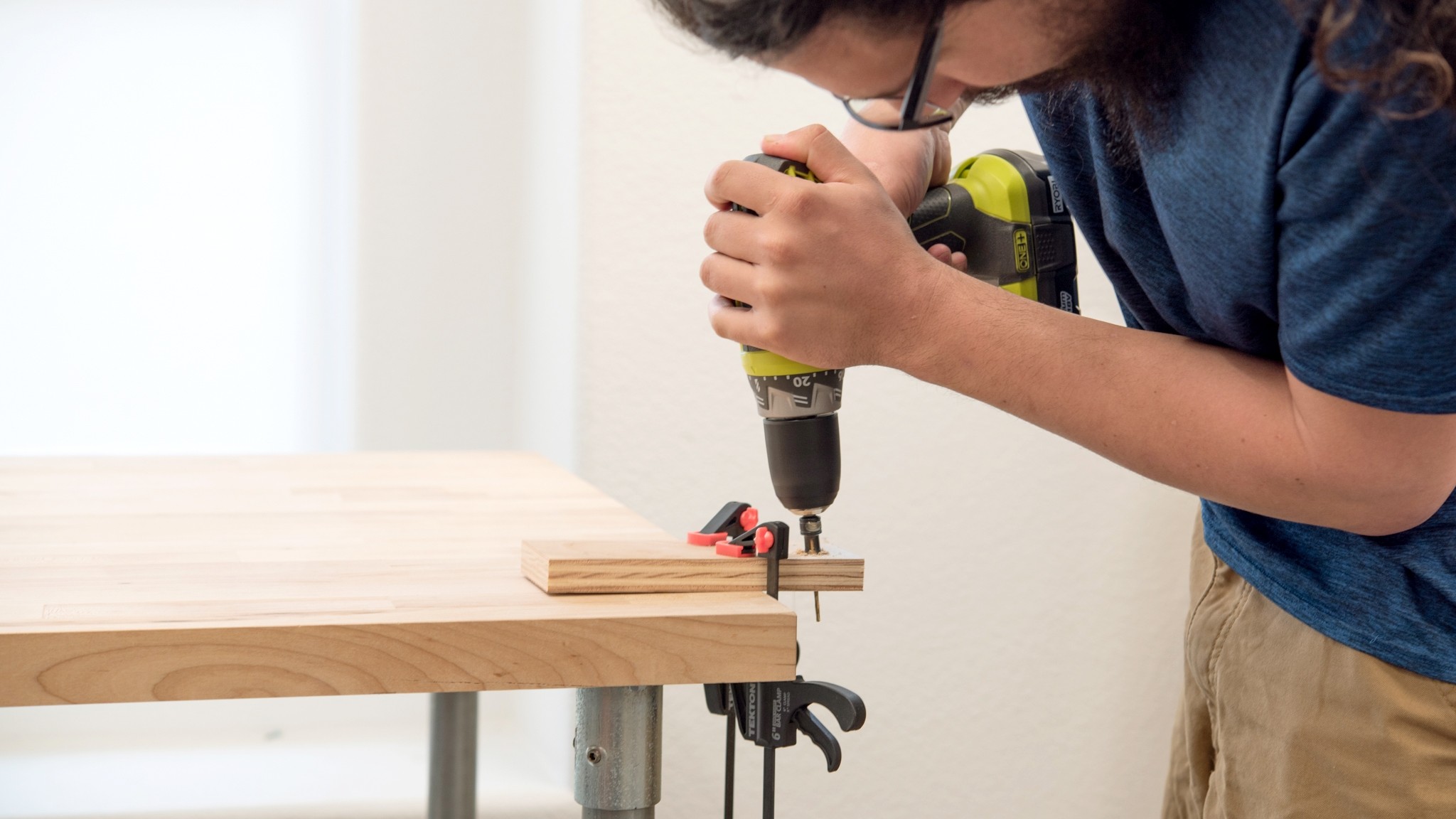
For our last series of assessments, constituting the residual tenth of the total score, we looked at some of the extra features and functions these tools have that make them easier to use. Specifically, we looked for the presence of a belt clip, battery level indicator, and an integrated work light. In addition, we also looked at the maximum chuck size, the different speed options available, the weight of each drill, and the difficulty in changing the battery. The Ryobi finished out with another middle-of-the-road showing, earning a 5 out of 10.
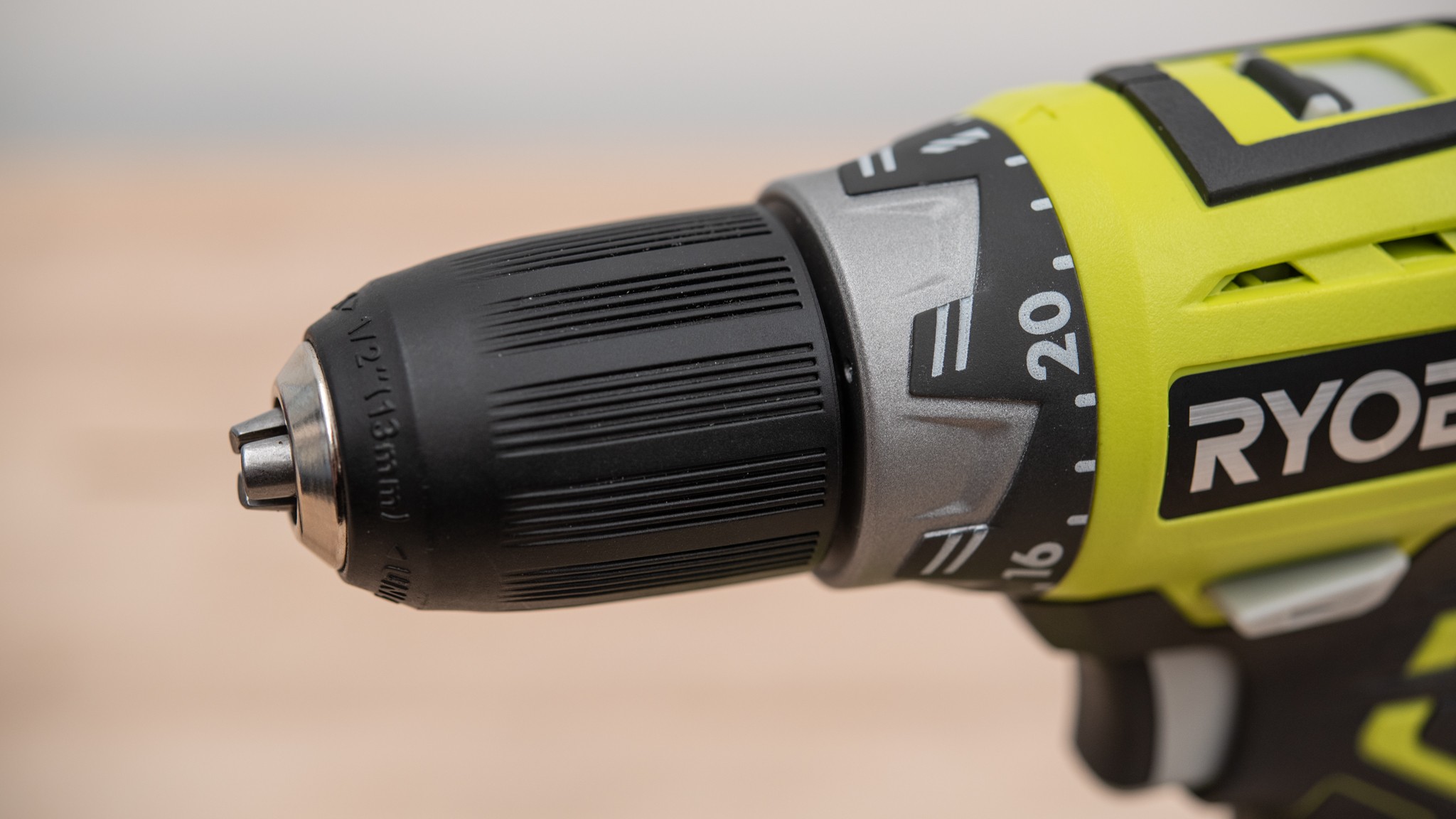
Being a budget option, the P252 does lack some features that the top drills have and is missing both a belt clip and a built-in battery level indicator. However, it does offer two different speed ranges and a chuck that can open up to ½".
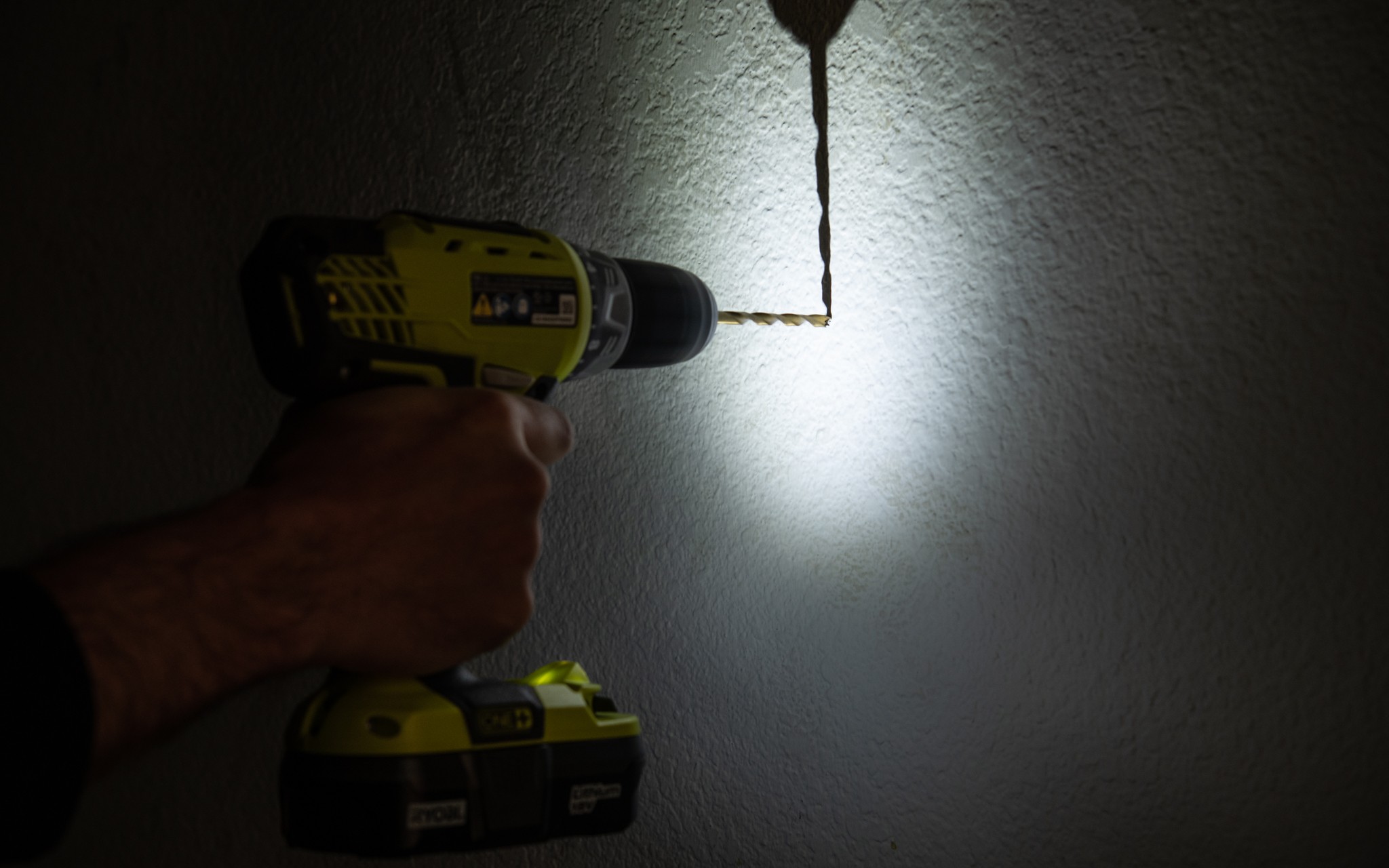
It also has an integrated light, but we found it quite frustrating that it only will illuminate while the drill is actually rotating. This, unfortunately, makes it almost impossible to use the light to line up the drill or driver bit in the correct location when using the drill in a dark spot without additional supplemental lighting.
The button to release the battery is quite easy to press and it doesn't require excessive force when installing or removing the battery, but we did find that this drill is a little bit on the hefty side for these products, weighing in at a little more than 3.5 lbs.
If you are looking for the best balance of performance and a budget-conscious price tag, it is hard to find a better value than the Ryobi P252.